


Intertrigo: Photos, Causes, & Solutions for Skin Fold Dermatitis in Dogs
Remember, this is an educational resource, not a guide for diagnosis.
We always recommend consulting with your veterinarian.
Dealing with Irritated Skin Folds?
Tap to jump to each section
Photo Examples of Intertrigo (Skin Fold Dermatitis)
-

Facial fold intertrigo of a Boston Terrier's tear fold
-

Intertrigo on basset hound's hind leg with possible yeast infection
-

Nasal fold intertrigo on an English bulldog with possible yeast infection
-

Nasal fold intertrigo on an English bulldog with moist, inflamed skin
-

Lip fold intertrigo on a dog's lower lip, with red, inflamed skin
-

Lip fold intertrigo on Boston Terrier, with redness and inflammation
-

Skin fold dermatitis on basset hound's front axilla (armpit) with possible yeast infection
-

Similar example of intertrigo on a basset hound's front axilla (armpit), with fur loss
-

Mammary fold intertrigo on a female dog's underbelly


-

My Frenchie is allergic to everything
"My Frenchie is allergic to all outside. He’s on shots, pills, shampoos, foods… and he still gets breakthrough itchiness. The ONLY thing that helps him is Radiquell."
-- Julie B.
-

Customers for LIFE!!
My English Bulldog has allergies to many types of food and various environments. His flare-ups always result in skin rashes, loss of fur, and dermatitis. We gave RadiQuell a shot, and we were truly AMAZED.
-- Michelle G.
-

This is a MUST for Frenchies!
I have used this on my pup's entire body for so many issues - even on her private areas. Worth EVERY SINGLE DIME!
-- Amber A.
-

No more yeast infection
My golden corgi has been struggling with a systemic yeast infection and he will figure out ways to scratch himself raw. I've tried various topical, including hypochloric acid, aloe vera - powdered and gel, ozonated coconut oil; this works the best and within hours.
-- Alex L.
-

Love this for rashes
I have been using the product for 3 days & have already seen great improvement in the rash my dog has had for over a month. My dog doesn’t mind having the ointment applied and doesn’t lick it. Love this product and definitely recommend it!
-- A.C.


What Is Skin Fold Dermatitis?
Skin fold dermatitis, also called intertrigo, frictional dermatitis, or skin fold pyoderma, is inflammation and/or infection between adjacent, contacting skin surfaces. It is considered a form of surface pyoderma, along with acute moist dermatitis (hot spots).
Intertrigo is typically classified by its location, and it can occur between facial, lip (perioral), neck, vulvar (perivulvar), scrotal, tail, or body folds.
Photo: Facial skin fold dermatitis on French bulldog, via r/ADM1277 on Reddit

What Causes Skin Fold Dermatitis in Dogs?
Friction and lack of air flow between folds and wrinkles of skin creates damaged skin and a pristine location for bacteria and yeast to grow out of control, bringing inflammation and infection. Moisture that gets trapped in these crevices and concealed areas further enhances the microbes' growth.
Other factors that can contribute to canine skin fold dermatitis are parasites or skin allergies, whether seasonal, environmental, or food-related, and hormonal disorders.
Photo: Facial fold dermatitis on English bulldog, by Dr. C. Lorente, DVM; via Laboklin

Symptoms of Skin Fold Dermatitis in Dogs
- Redness and inflammation in and around the skin fold; hot spot(s) possible
- Skin fold appears moist or dark with crusts at edges
- Hair loss within and without fold
- Foul or musty odor -- often sign of yeast (Malassezia) infection
- Pustules with yellow or white discharge in and around area -- typical of pyoderma (bacterial infection)
- Itching (pruritis) or pain around the area
- Excessive licking, pawing, scratching, or rubbing

Types of Skin Fold Dermatitis in Dogs
Facial Fold Dermatitis
Facial fold dermatitis involves inflammation and irritation between facial wrinkles that is caused by friction and accentuated by trapped moisture, lack of air circulation, and allergies. This form of intertrigo primary affects brachycephalic ("smoosh-faced", to be technical) breeds, such as English bulldogs, French bulldogs, Pugs, and Pekingese.
As seasons change, or as a dog is exposed to an allergen, tear production often increases, and these run along the fold under the eyes and become trapped, as in this section's photo. Redness of the skin at the folds, hair loss, and bad odor are common signs of facial fold dermatitis.
If left unchecked, pyoderma (bacterial infection) and yeast infection (Malassezia) will set in. This is an area where RadiQuell™ Canine can be of great use to soothe the irritation, help reduce inflammation, and counter infection.
Photo: Nasal skin fold dermatitis, via Dr. Kraemer Vet4Bulldog on Facebook

Lip Fold Dermatitis
Lip fold, or perioral, dermatitis tends to affect breeds with large lip flaps (jowls), such as Saint Bernards, Spaniels, Boxers, and Basset hounds. The constant rubbing along with trapped saliva promotes microbial growth, which in turn leads to inflammation, redness, and infection.
Yeast and bacterial overgrowth and infections are very common with lip fold dermatitis. Further signs can be red, pink, or dark patches along the upper and lower lips, as well as really, really dank breath (halitosis).
Photo: Lip fold dermatitis on brown spaniel; via Blayney Veterinary Hospital on Facebook

Neck and Body Fold Dermatitis
Neck and body fold dermatitis tend to harass breeds that carry pendulous dewlaps (a great phrase for "big, hanging neck folds") and large amounts of wrinkles, including basset hounds, bloodhounds, Newfoundlands, and Chinese Shar Peis. Breeds that salivate exceedingly or swim regularly are at risk for moisture getting trapped in skin folds.
Body fold dermatitis can also come into play for other breeds if they are obese. As with any form of dermatitis, yeast infections (Malassezia) can get established and create a mighty itch, hair loss, pinkish skin with dark patches (hyperpigmentation) and a musty odor.
Photo: Hind leg skin fold dermatitis with likely yeast infection, via u/Blueyintheus on Reddit

Tail Fold Dermatitis
Tail fold intertrigo involves dogs with corkscrew tails, especially in English bulldogs, Boston terriers, and pugs. The tightly curled tail can grow inward and/or create pressure on the surrounding skin, creating irritation and almost inevitable infection.
Tail fold dermatitis can cause intense itching, and dogs will rub the area in order to relieve the irritation. Many dogs actually require surgery to remove the crooked tail bone, which makes the area easier to keep clean.
Photo: Tail fold dermatitis due to in-grown screw tail of English bulldog; via ResearchGate

Scrotal and Vulval Fold Dermatitis
Whole male dogs (i.e., still possessing their jewels) are at risk for developing dermatitis around the scrotum and groin, especially if they are obese or possess sagging skin. Skin allergies, confined moisture, and parasitic bites can be culprits that bring about the initial irritation.
Vulval fold dermatitis can affect female dogs that: 1) are spayed before their first season with an inverted vulva; 2) have whelped (had puppies), are older, and have an enlarged, flaccid vulva; 3) have urinary tract disease and overclean the vulval area, creating irritation.
For both genders, the surrounding skin will appear red and inflamed, and the dog will likely be licking or dragging the area in order to relieve itching.
Dog Breeds Prone to Skin Fold Dermatitis
As you might expect, breeds that are brachycephalic (short-snouted) or have wrinkly, drooping skin tend to be the ones that contract skin fold dermatitis the most. Obese dogs of any breed are also at risk.
-

English Bulldogs
-

French Bulldogs
-

Bloodhounds
-

Pugs
-

Pekingese
-

Cocker Spaniels
-

Shar Peis
-

Basset Hounds
-

Boston Terriers


How Is Skin Fold Dermatitis Treated?
Short answer: Use RadiQuell® Canine! It works to calm irritation and inflammation, counteract microbial activity, and provide the necessary ingredients for skin repair.
Longer answer: Treating skin fold dermatitis generally begins with a veterinary examination of the area and a cytology -- microscopic evaluation of a skin sample. Your vet will also go over your dog's medical history and inquire about allergies.
Intertrigo is typically treated with topical products, cleaning the area(s) with topical antiseptics in the form of wipes, sprays, or shampoos. These products typically contain an active ingredient that is antibacterial and/or antimycotic (antifungal), such as chlorhexidine (2-4%), acetic acid, boric acid, or benzoyl peroxide.
At first, the area will have to be cleaned and sanitized daily with the prescribed topical treatment, which will be based on the cytology results. As the irritation and infection clear, this cleaning may be reduced to twice weekly. For severe infections and recurrent allergy dermatitis, prolonged topical therapy along with oral or injected steroids may be utilized to reduce inflammation and mitigate allergies.
In certain cases -- as in tail fold dermatitis, chronic, persistent cases, or if the dog cannot tolerate topical therapy -- surgical removal or reduction of the skin may be required.
Photo: Facial skin fold dermatitis on French bulldog, via u/ImpressionFew631 on Reddit

Caring for and Preventing Canine Skin Fold Dermatitis
The best way to prevent skin fold dermatitis is to keep an eye on your dog's skin folds, clean them regularly, and make sure they are dry. If you notice redness or your dog licking, scratching, or rubbing the area consistently, examine it closely, give the area a thorough cleansing followed by a topical ointment like RadiQuell™ Canine. If the problem persists, take them to the vet.
On top of that, you'll want to understand and stay on top of your dog's allergies. Allergies are a principal culprit behind most forms of dermatitis, and they are instigated by changes in season, the dog's environment, or a reaction to their food.
Finally -- yes, we're going to say it again -- RadiQuell™ Canine can be a big help with skin fold irritations and dermatitis. Its research-backed formula soothes itching and discomfort, counters bacteria and yeast, and helps heal the damaged skin - all while being safe if your dog ingests it.
Not Sure What You’re Looking At?
Get our free photo ID guide with over 200 photos of real canine skin issues.


Dog Skin Fold Dermatitis FAQs
Can RadiQuell® Canine help with my dog's skin fold dermatitis?
Absolutely, it can!
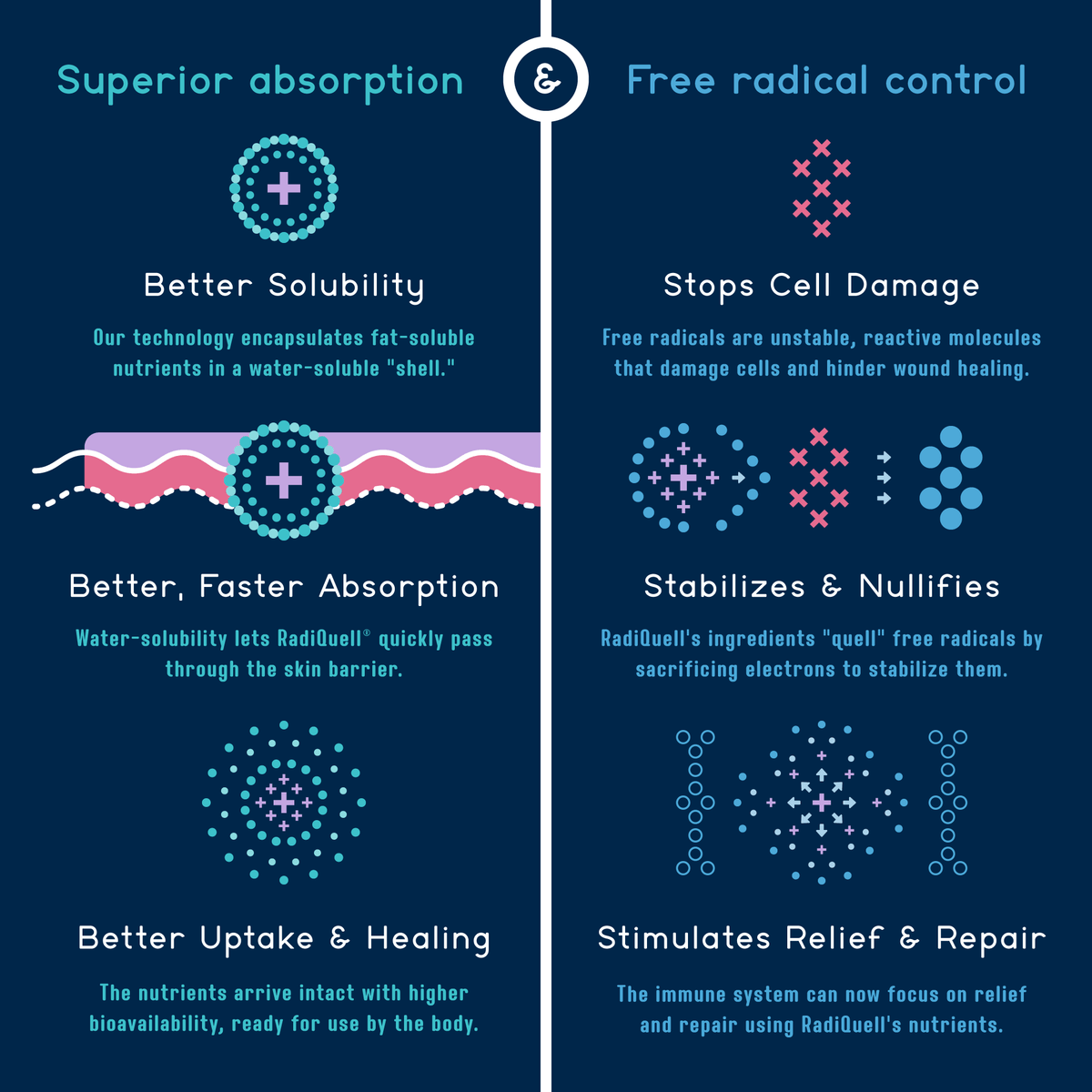
RadiQuell® Canine (RQC) works to relieve irritation, calm inflammation, counter microbes and free radicals, and provide the nutrients for skin repair and fur regrowth -- all in one safe-to-lick package.
Will skin fold dermatitis resolve on its own?
While it is possible, it is not likely, especially if there is an overgrowth of yeast and bacteria. These infections cause itch and discomfort that, when scratched and licked, only exacerbates the problem.
Simply cleaning your dog's skin folds and wrinkles regularly, and ensuring they are dry after bathing or being in water will go a long way in preventing skin fold dermatitis.
How often should I clean my dog's skin folds?
For regular maintenance, cleaning your dog's skin folds once each day or every other day is recommended.
It is equally important to make sure their wrinkles are dry after cleaning.
However, they should not become overly dry, as this can lead to microscopic cracks in the skin that bacteria and fungi can invade. Thus, it's good to use a moisturizing oil or balm after cleaning and ensure that your dog's diet is rich in omega-3 fatty acids.
Why do my dog's wrinkles smell bad?
The stench comes from an overgrowth of bacteria and yeast. If anything, the worse the smell, the more likely there is an infection that should be treated promptly.
Some of the microbes that contribute to the bad smellscape are:
- Proteus vulgaris (bacteria)
- Pseudomonas aeruginosa (bacteria)
- Staphylococcus pseudintermedius (bacteria)
- Malassezia pachydermatis (aka yeast, a fungus)
It is possible for both a bacterial infection and yeast infection to be present at the same time. Thus, it's vital to go see your vet if you suspect (or smell-spect) an infection.
Interesting side note: Proteus and Pseudomonas are chiefly responsible for "frito feet" in dogs.
What should I clean my dog's skin folds with?
Chlorhexidine wipes are a solid, relatively inexpensive choice for cleaning and sanitizing canine skin folds. Always be careful when using them around their eyes.
For cases where yeast is present, look for wipes that contain anti-fungal "azole" ingredients (miconazole, ketoconazole, enilconazole, etc.).
If you're looking to clean facial and lip folds, be sure to look for those that are safe to use on sensitive skin, near the eyes and mouth, and low- or fragrance-free.
We would certainly recommend following up cleaning the folds with an application of RadiQuell™ Canine to promote relief and healing while protecting from microbial growth. Use caution when using it around the dog's snout, as it does have a strong lavender scent when first applied (it dissipates quickly after application).
Here are a couple of home remedies for cleaning dog skin folds we've run across:
- Cotton wool pads soaked in saline or salt water
- Normal domestic vinegar diluted 50:50 with warm water has some antibacterial effect. HOWEVER, this solution can burn if there are open lesions, and it due to the strong smell, it must be used with care around the nose.
Can I clean my dog's skin folds with apple cider vinegar?
We wouldn't recommend apple cider vinegar (ACV) for areas where yeast tends to grow. Simply put, ACV contains sugar that serves as food for the fungi.
Is there a certain way to bathe a wrinkly dog?
Regular bathing is another key to keeping those wrinkles free from intertrigo.
- Be sure to use a mild or hypoallergenic shampoo. There are shampoos out there that are made for wrinkly barkers.
- Use a sponge or loofa to get in and around those skin folds.
- Rinse them twice, making sure that all of the shampoo has been rinsed off. Shampoo residue is not your friend.
- Dry them off thoroughly, with extra care in removing the moisture from between skin folds. A microfiber dog towel may prove more useful than a traditional bath towel.
How do dog wrinkles get so dirty and rashy?
There are several reasons that dogs' skin folds get irritated, but here are 4:
- Wrinkles create pockets that catch and hold dead skin cells, shed fur, bits of food, dust, and dirt.
- These folds are also, by nature, warm and moist, so bacteria and yeast dwell there naturally.
- The folds are constantly rubbing against each other, slowly eroding the skin and allowing the microbes to overpopulate the area.
- Allergies can further irritate and inflame the skin, drawing the immune system's attention and allowing the microbes to grow unchecked.

ARRIVING OCT 28!
Soothing Skin & Wound Serum for Dogs
Helps relieve irritation + stop infection between skin folds.
Now in a 4x bigger size. You asked, we heard.
 FREE SHIPPING* ON ORDERS $35+
 30-DAY MONEY BACK GUARANTEE
 EVERY SALE HELPS DOGS + HEROES


More Canine Skin Conditions
-

Yeast Infections
The yeast we like leastYeast infections and intertrigo often go hand in hand. Learn about the fungus that causes the majority of yeast infections and what to do.
-

Ringworm
Not a worm, but a germ?Despite the name, ringworm is not a parasite, but fungus caused by three different species. It can even be spread to and from humans.
-

Seborrhea
In dog we crustSeborrhea is a condition involving thick dandruff and greasy brown-yellow crusts caused by an overproduction of keratin.


Collapsible content
Resources on intertrigo + skin fold dermatitis
Dan G. O'Neill, Dara Rowe, Dave C. Brodbelt, Camilla Pegram, Anke Hendricks; 2022: Published by: Scientific Reports, July 6, 2022, 12(1):10553; PMID: 35794173; PMCID: PMC9259571.
Other Resources
Photo credits
It takes considerable time and effort to compile diverse images of canine skin issues in order to make a helpful resource for pet parents.
There's no possible way to take all these ourselves, so we try to give photo credit whenever we can.
Top banner photo collage, from left to right:
- u/Beneficial_Fig_7830 (Reddit)
- u/LevelAd4862 (Reddit)
- u/blueyintheuse (Reddit)
- u/[deleted] (Reddit)
- u/erdinger4587 (Reddit)
- u/happy_camper69 (Reddit)
- u/[deleted] (Reddit)
- u/HipHopHistoryGuy (Reddit)
- via Blayney Veterinary Hospital on Facebook
- u/ItsNotNadroJ (Reddit)
- u/ImpressionFew631 (Reddit)
- u/NoProdigalSon (Reddit)
"Photo Examples of Intertrigo (Skin Fold Dermatitis)" section, in order of appearance:
- u/ItsNotNadroJ (Reddit)
- u/blueyintheus (Reddit)
- u/HipHopHistoryGuy (Reddit)
- u/LevelAd4862 (Reddit)
- u/[deleted] (Reddit)
- u/Toad-Smacked (Reddit)
- u/Beneficial_Fig_7830 (Reddit)
- u/happy_camper69 (Reddit)
- u/NoProdigalSon (Reddit)
"More Canine Skin Conditions" section:
- Yeast: u/mgarland0922 (Reddit)
- Ringworm: via Clinician's Brief
- Seborrhea: u/luna8tuna (Reddit)